Linen Fabric Explained: Types, Uses and Price in India
- By Fabcouture
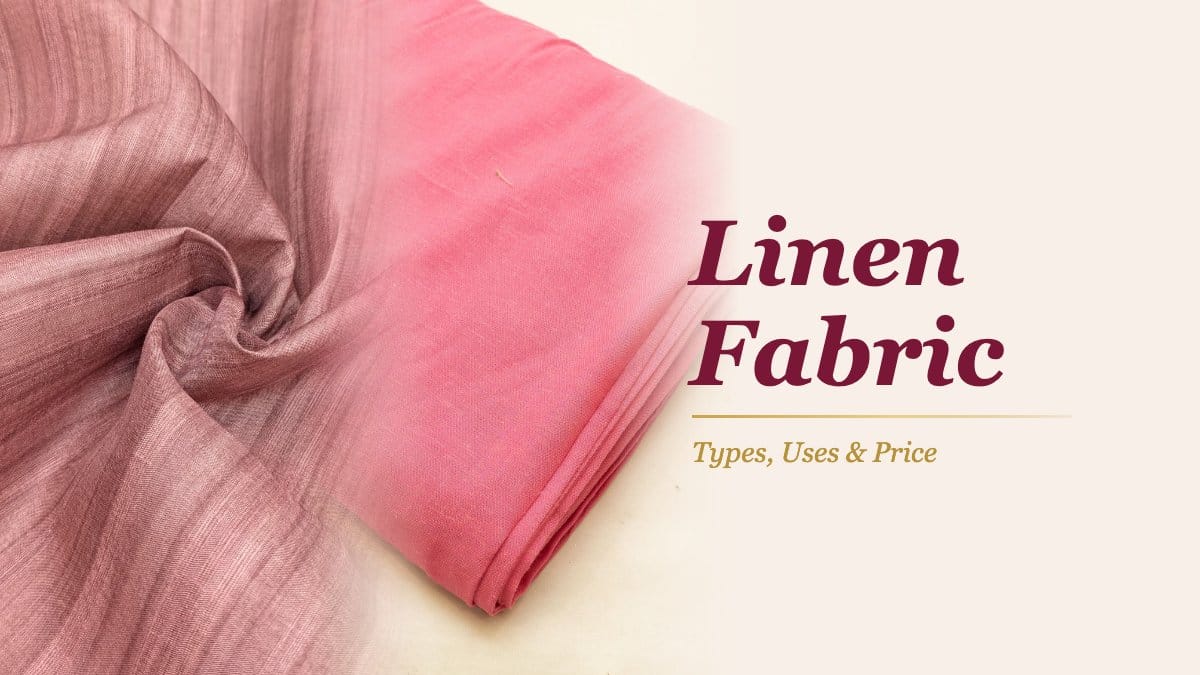
Linen is the fabric people reach for the moment the Indian summer turns heavy. It is spun from flax, it breathes better than most weaves, and it softens with every wash. The only trouble is that "linen" on a label can mean very different things, from pure flax to a polyester blend, and the price swings accordingly.
What is linen fabric?
Linen is a natural fabric made from the fibres of the flax plant. The yarn is strong and slightly slubby, which gives linen its dry, textured hand and its famous crinkled look. It absorbs moisture quickly and dries fast, so it stays cool against the skin even in humid weather. Lea is the unit used for linen yarn count, and a higher lea such as 60 lea means a finer, lighter cloth.
Main types of linen available in India
The same word covers several constructions, and each behaves differently on the table and on the body.
Pure linen is 100% flax. It is crisp, durable and the most breathable of the lot, which makes it the first choice for shirts, kurtas and co-ord sets. Pure linen at FabCouture is sold in 25 lea, 40 lea and 60 lea counts.
Linen cotton pairs flax with cotton for a softer feel and less creasing. Poly linen blends linen-look yarn with polyester, so it is wallet-friendly and easy to maintain. Linen satin adds a gentle sheen, which suits festive kurta sets and blouses.
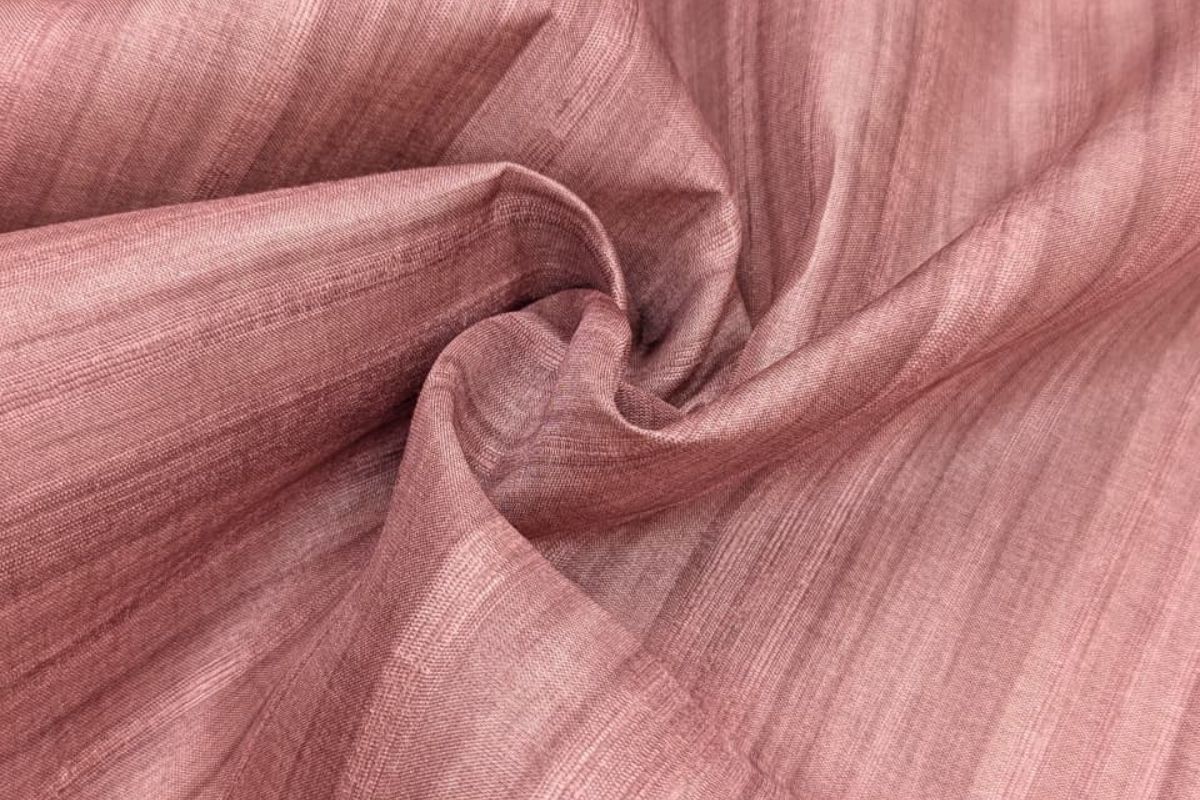
Linen fabric price in India
Prices on FabCouture's linen collection currently range from ₹200 for sale-priced poly linen to ₹1,250 for fine 60 lea pure linen. The table below uses prices seen on the category page.
| Type | Feel | Best for | Starting price |
|---|---|---|---|
| Poly linen | Light, easy-care | Kurtis, tops, kids' wear | ₹200 |
| Linen blended | Soft, textured | Co-ords, dresses | ₹450 |
| Linen cotton (60 lea) | Soft, less creasing | Shirts, kurtas | ₹550 |
| Linen satin | Smooth, mild sheen | Festive kurta sets | ₹650 |
| Pure linen (40 lea) | Crisp, breathable | Shirts, trousers | ₹1,095 |
| Pure linen (60 lea) | Fine, lightweight | Premium kurtas, sarees | ₹1,250 |
Poly linen is the easiest way in if you are sampling. Plain cotton fabric is the other budget-friendly summer option when you want a smoother surface.
Best uses for linen
Linen works best where air flow matters. Shirts, kurtas, palazzos, summer dresses and unlined jackets are the classics. At home it suits curtains, table runners, cushion covers and bedsheets. Designers like it for relaxed bridal-party outfits and resort wear because the texture looks expensive without any embellishment.
If you are sewing a lighter kurti, compare it with plain rayon fabric, which drapes more fluidly and crushes less.
Colours that sell
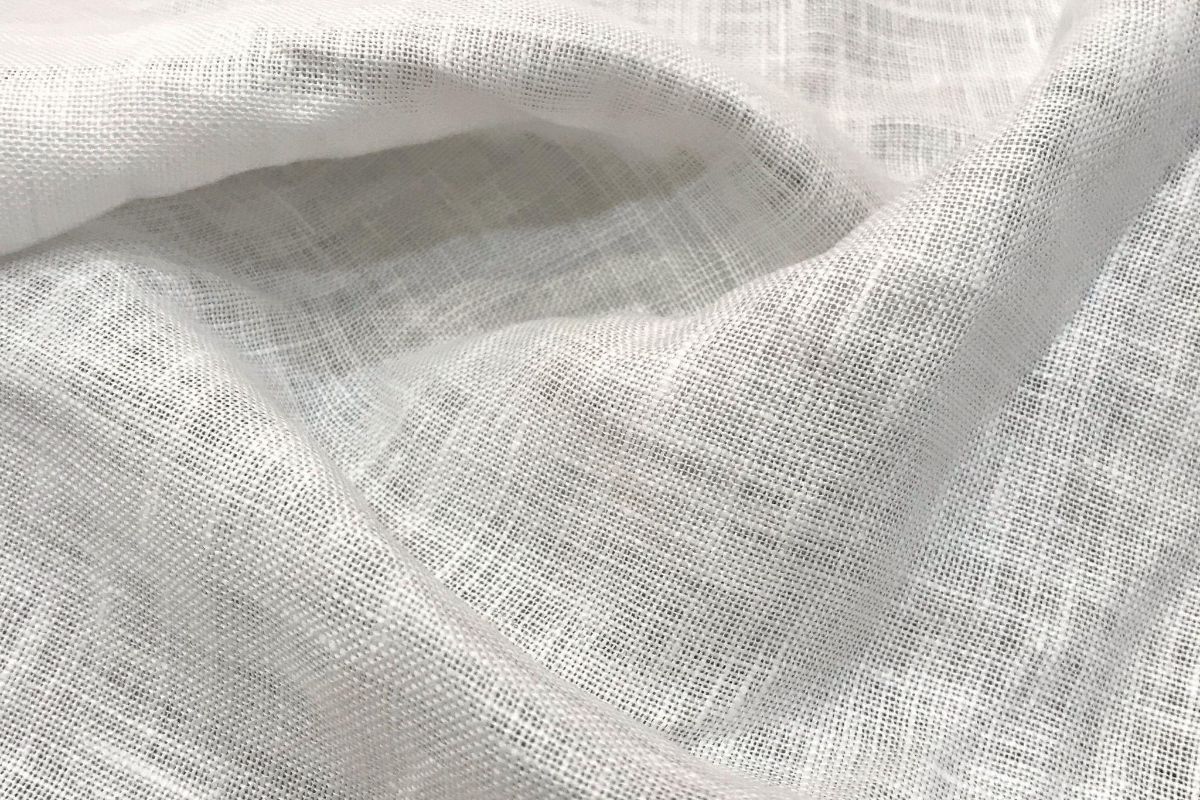
Whites, creams and beiges are the evergreen linen shades, but the blended range goes much further. FabCouture lists plain linen blended fabric in gajree, mustard, sky blue, mint green, pista green, beige, cream, white, black, orange, yellow, peach, pink and baby pink. Poly linen mélange twill comes in earthy tones such as khaki, brown, maroon and mehendi. For colour inspiration, see our note on firozi, rama green and gajri shades.
How to care for linen
Wash pure linen in cool water on a gentle cycle and dry it in the shade. Iron while slightly damp, on a medium-high setting. Pre-wash the fabric before stitching because linen can shrink on its first wash. Poly linen needs less fuss and holds its shape better. A few creases are part of the charm, so do not chase a perfectly flat finish.
Linen vs cotton vs muslin
Cotton is softer and cheaper but traps more heat when thick. Linen is stronger, cooler and gets better with age, though it creases. Muslin is lighter and sheerer than either, so it suits dupattas and baby wear rather than structured garments. Our post on cotton blend fabric explains the middle ground.
Choosing linen for specific garments
For shirts and trousers, pick 40 lea or 60 lea pure linen. The yarn is fine enough to sit well against the skin, yet crisp enough to hold a collar and a crease line. For kurtas and co-ord sets, linen cotton is the safer pick because it creases less through a long day of sitting and travelling.
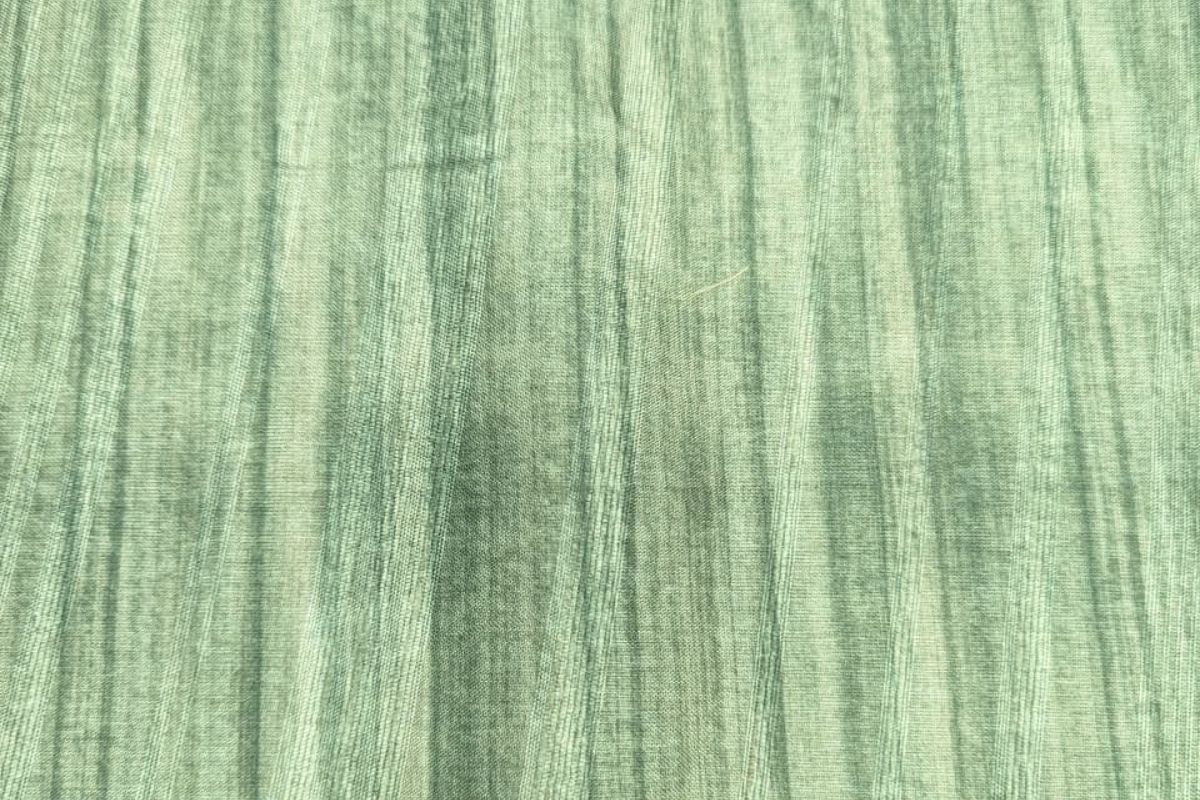
Dresses and tops stitched from linen blended fabric look relaxed and drape well, especially in pastels such as mint green, peach and baby pink. If you want a festive touch, linen satin in wine, navy or maroon gives a soft sheen without the weight of heavy silk. Poly linen is a practical choice for school uniforms, daily-wear kurtis, and samples where you are still testing a design.
A quick tip while cutting: linen frays easily, so finish seams with French seams or an overlock stitch. Use a sharp needle, a slightly longer stitch length and a hot iron, and the garment will keep its shape for years. Buy about ten percent extra fabric if you plan to pre-wash, so you have room to adjust for shrinkage.
Buying linen online
Look for the lea count, the blend percentage and the width before you order. FabCouture offers worldwide shipping, free delivery, cash on delivery above ₹999 and bulk discounts for designers and boutiques, all @ best price. Browse the full linen collection, or pair it with silk, net or denim for layered outfits. For more summer picks, read how to choose summer-friendly ethnic fabrics.
In short: linen is a breathable, durable flax fabric that suits Indian summers. Choose pure linen for crisp, premium wear, linen cotton for softness, and poly linen when budget and easy care matter. On FabCouture, prices start at ₹200 for poly linen and go up to ₹1,250 for fine pure linen.
Frequently asked questions
Is linen good for Indian summers?
Yes. Linen absorbs moisture and dries quickly, so it feels cooler than most fabrics in heat and humidity.
How much does linen fabric cost in India?
On FabCouture, poly linen starts at ₹200, linen blends at ₹450 and pure linen at ₹1,095 upwards.
Does linen shrink?
Pure linen can shrink on the first wash, so pre-wash it before cutting and stitching.
What is the difference between pure linen and poly linen?
Pure linen is 100% flax and more breathable. Poly linen mixes in polyester, which makes it cheaper and less prone to creasing.
Can I order linen in bulk?
Yes. FabCouture offers bulk discounts, worldwide shipping, and COD above ₹999.
Leave a Comment

Fabcouture is an online fabric store to satisfy all your couture fabrics cravings for fabric connoisseurs. We delight in the fact that we source...
0 Comment