What Is Modal Fabric? How It's Made, Feels & Compares
- By Fabcouture
If you have shopped for kurtas, dresses, or bedsheets lately, you have almost certainly come across modal — often sold as "modal satin" for its smooth, lustrous finish. It gets grouped with viscose, rayon, and Tencel, and the labels are used so loosely that it is genuinely hard to tell what you are buying. This guide clears it up: what modal fabric actually is, what it is made of, how it feels and wears, and how it differs from the other semi-synthetic fabrics it is so often confused with.
Quick Answer
Modal is a soft, breathable, semi-synthetic fabric — specifically a type of rayon made from the cellulose of beech tree pulp. It was developed in the 1950s as a stronger, more refined upgrade to traditional viscose rayon, and it is prized for being silky-soft, highly absorbent, resistant to shrinking and pilling, and able to hold its shape and colour wash after wash.
What Is Modal Fabric?
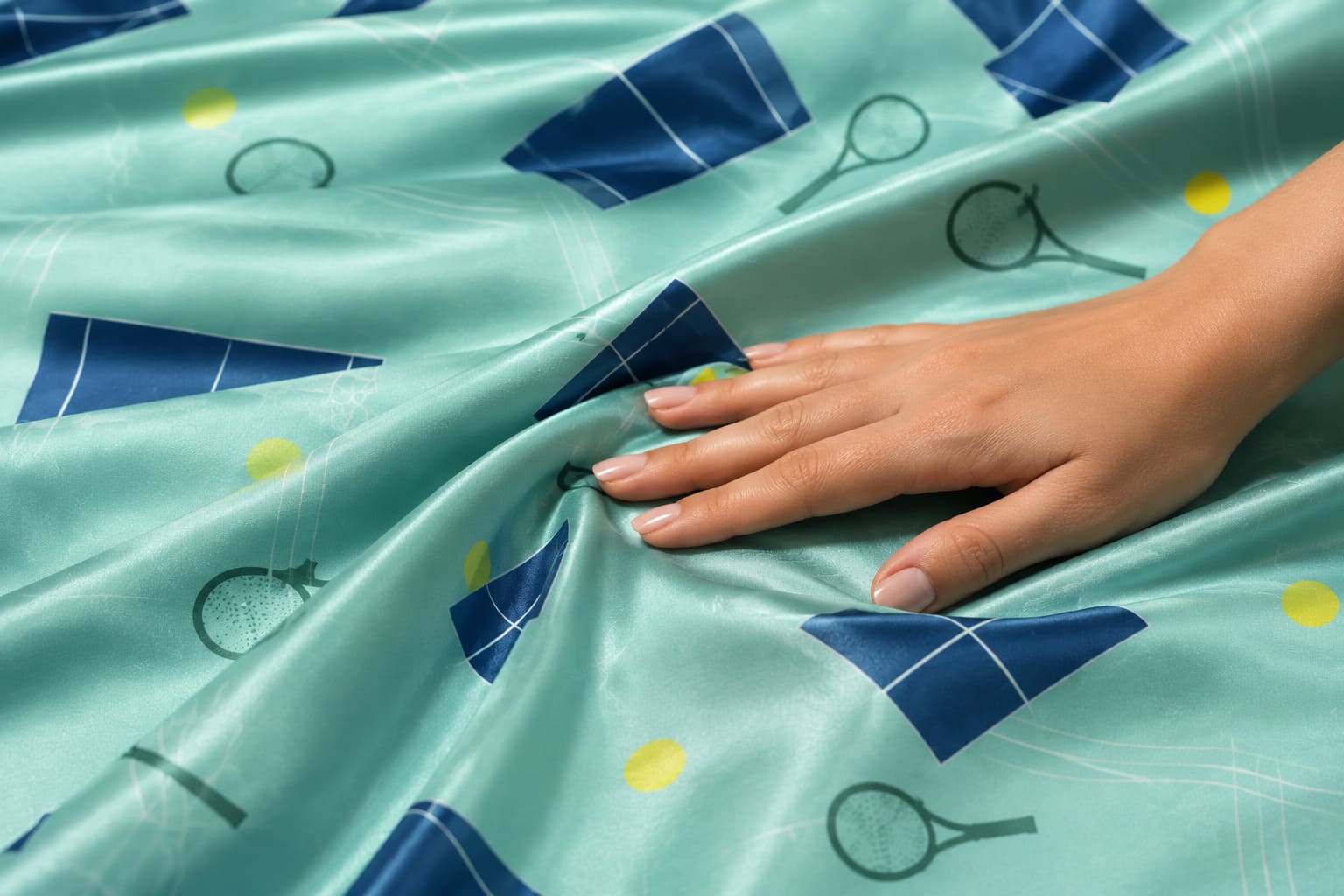
Modal is a semi-synthetic fibre, which means it sits between natural and fully synthetic materials. It starts life as natural cellulose from wood pulp, but that raw material is chemically processed and spun into fibre — so it is plant-based at its core, yet manufactured rather than grown into thread. Technically, modal is known as high-wet-modulus (HWM) rayon, a name that points to its defining trait: unlike ordinary rayon, it stays strong and keeps its shape even when wet. Today you will most often meet it as modal satin, a fluid, softly shining fabric used for dresses, gowns, kurtas, tops, and sarees.
What Is Modal Fabric Made Of?
Modal is made from the cellulose of beech trees, though some manufacturers also use other hardwoods such as birch or oak. The wood is pulped, purified into cellulose, and dissolved into a solution that is forced through spinnerets to form fibres, which are then spun into yarn and woven into fabric. What separates modal from standard rayon is an extra step in this process that increases the fibre's "wet modulus" — its strength under tension when wet. First developed around 1951 as an improvement on early viscose rayon, modal was engineered specifically to fix rayon's biggest weakness: going limp and losing strength in the wash. On modal satin fabrics you will often see it blended with a little spandex or rayon for extra stretch and body.
Is Modal the Same as Rayon?
This is where most of the confusion starts, so here is the clean answer: modal is a type of rayon, but not all rayon is modal. Rayon is the umbrella term for any fibre regenerated from plant cellulose — it is not a single fabric but a whole family. Under that umbrella sit three main members: viscose rayon (the most common, usually sold simply as "viscose" or "rayon"), modal, and lyocell (best known by the Tencel brand). Modal is essentially rayon's refined, hard-wearing cousin — same plant-based origin, but processed to be stronger, softer, and more shape-retentive. So when a label says "rayon," it usually means ordinary viscose rayon; when it says "modal," it means this upgraded version.
What Is Viscose Fabric?
Viscose is the original and most widely used form of rayon, made through a process of the same name. First produced in the late nineteenth century and marketed then as "artificial silk," viscose is loved for its silky hand-feel, fluid drape, breathability, and low cost. Its trade-off is fragility: viscose weakens noticeably when wet and is more prone to shrinking and wrinkling than modal, so it needs gentler handling. In everyday language, "viscose" and "rayon" are used interchangeably — most fabric simply labelled "rayon" is viscose rayon.
What Is Tencel Fabric?
Tencel is a brand name, owned by Lenzing, for lyocell — the third major type of rayon. Like modal, it is made from wood pulp, commonly eucalyptus, but it is produced in a closed-loop system where the solvent used to dissolve the cellulose is captured and reused. That makes Tencel one of the more environmentally friendly fabrics in this family. Lyocell is strong even when wet, soft, breathable, and excellent at wicking moisture, which is why it turns up in everything from premium shirting to activewear and bedding.
Modal vs Viscose vs Tencel vs Rayon
It helps to picture rayon as the family name, and viscose, modal, and lyocell/Tencel as three siblings — all born from plant cellulose, all semi-synthetic, but each with a different personality:
| Fabric | What it is | Strengths | Trade-offs |
|---|---|---|---|
| Rayon (viscose) | The original regenerated-cellulose fibre; the first "artificial silk" | Silky, drapey, breathable, affordable | Weak when wet; shrinks and wrinkles easily |
| Modal | High-wet-modulus rayon made from beech pulp | Very soft, absorbent, holds shape, resists shrinking and pilling | Pricier than viscose; can yellow under high heat |
| Tencel (lyocell) | Rayon made in a closed-loop, eco-friendly process | Strong wet and dry, moisture-wicking, most sustainable | Usually the most expensive of the three |
| Cotton (for reference) | A natural plant fibre, not a rayon | Durable, familiar, easy-care | Shrinks and creases; less silky drape |
In short: rayon and viscose are the affordable, silky original; modal is the softer, stronger, longer-lasting upgrade; and Tencel is the strongest and greenest of the three. All three are more breathable and drapey than cotton, but unlike cotton they are manufactured fibres rather than spun straight from a plant.
How Does Modal Feel and Perform?

Modal's popularity comes down to how it feels and behaves:
- Exceptionally soft and smooth. Modal has a silky, cool-to-the-touch surface often compared to silk or high-grade cotton — one reason early rayon was called "artificial silk."
- Highly breathable and absorbent. It is roughly 50% more absorbent than cotton by volume, drawing moisture away from the skin, which makes it comfortable in warm, humid weather.
- Holds its shape and colour. Thanks to its high wet strength, modal resists the shrinking, stretching, and fading that plague ordinary rayon, and it takes dye deeply so colours stay vivid.
- Resists pilling and wrinkles. Its smooth fibre surface pills far less than cotton and needs little to no ironing.
- Drapes beautifully. Modal falls in soft, fluid lines, which is why modal satin is a favourite for flowing kurtas, gowns, and sarees.
A couple of honest caveats: modal usually costs more than plain viscose or cotton, and because it is cellulose-based it can scorch or yellow under very high heat, so a hot iron is not its friend.
How to Care for Modal Fabric
- Wash in cold or lukewarm water on a gentle cycle. Modal handles washing better than viscose, but gentleness still prolongs its life.
- Use a mild detergent, and wash bright or dark colours separately the first few times.
- Skip high heat. Tumble dry on low or air-dry, and iron only on a low-to-medium setting if needed — modal rarely needs much pressing.
- For modal blended with spandex, silk, or other fibres, follow the specific care label, since the most delicate fibre in the blend sets the rules.
What Is Modal Fabric Used For?
Modal's softness, drape, and durability make it genuinely versatile. You will find it in everyday and occasion wear alike — kurtas, dresses, tops, gowns, and sarees — as well as in loungewear, intimates, activewear, and bedsheets, where its softness and moisture-wicking shine. Because it takes print and embroidery so well, rayon in its various forms also appears in embellished Indian textiles, from printed modal satin to rayon chikan for ethnic wear. If you care about ethical, longer-lasting fabric, modal is an easy first choice — it is biodegradable and, when responsibly produced, lighter on water and land than conventional cotton.
Frequently Asked Questions
Is modal a natural or synthetic fabric?
Modal is semi-synthetic. It is made from natural cellulose (beech tree pulp) that is chemically processed and spun into fibre, so it is plant-based in origin but manufactured rather than grown into thread.
Is modal the same as rayon?
Not exactly. Modal is a specific type of rayon. Rayon is the broad family of regenerated-cellulose fibres; modal is an upgraded, high-wet-modulus version that is stronger and more shape-retentive than ordinary viscose rayon.
Is modal better than cotton?
It depends on the use. Modal is softer, more absorbent, and more resistant to shrinking, fading, and pilling than cotton, and it drapes better. Cotton is more heat-tolerant and often cheaper, and many fabrics blend the two to get the best of both.
Is modal fabric breathable?
Yes. Modal is lightweight, breathable, and highly absorbent, drawing moisture away from the body, which makes it comfortable in warm and humid conditions.
Does modal shrink?
Much less than regular rayon or cotton. Its high wet strength helps it keep its shape, though washing in cold water and avoiding high dryer heat is still the safest approach.
What is modal satin?
Modal satin is modal fibre woven with a satin weave, giving a smooth, lustrous, softly shining fabric that drapes fluidly — popular for gowns, sarees, kurtas, and dresses.
Leave a Comment

Fabcouture is an online fabric store to satisfy all your couture fabrics cravings for fabric connoisseurs. We delight in the fact that we source...
0 Comment