Best Fabrics for Winter Weddings in India
- By Fabcouture
- • Dec 28, 2025

Winter weddings in India are nothing short of magical. With pleasant evenings, grand décor, and long celebrations, the season sets the perfect backdrop for luxurious ethnic fashion. However, choosing the right fabric is crucial—not just for style, but also for warmth, comfort, and durability throughout long wedding functions. From daytime pheras to late-night receptions, fabric selection plays a defining role in how an outfit looks and feels.
This guide explores the best fabrics for winter weddings in India, explaining what to wear and why, so you can make confident, weather-appropriate choices.
Why Fabric Choice Matters for Winter Weddings
Indian winters vary by region—from mild chills in Mumbai to colder nights in Delhi, Jaipur, and North India. Wedding outfits often involve long hours, outdoor venues, and layered styling. The right fabric ensures:
-
Proper insulation without bulk
-
Better drape and structure
-
Comfort during extended wear
-
A rich, festive appearance suitable for weddings
Winter-friendly fabrics also hold embroidery, zari, and embellishments better, making them ideal for bridal and festive looks.
Velvet – The Ultimate Winter Wedding Fabric
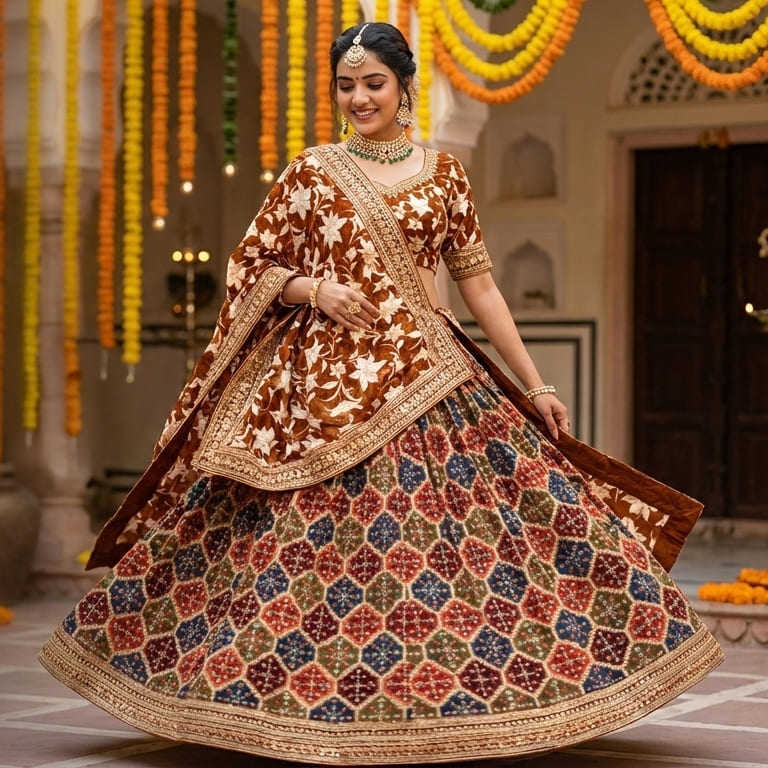
Velvet is one of the most preferred fabrics for Indian winter weddings. Known for its plush texture and warmth, velvet instantly adds a royal feel to any outfit. It works exceptionally well for lehengas, blouses, jackets, shawls, and even groom wear.
Why velvet works:
-
Naturally warm and insulating
-
Rich texture enhances embroidery
-
Perfect for evening and night functions
Velvet is especially popular for receptions, sangeet nights, and winter bridal looks.
Silk – Timeless Elegance with Natural Warmth
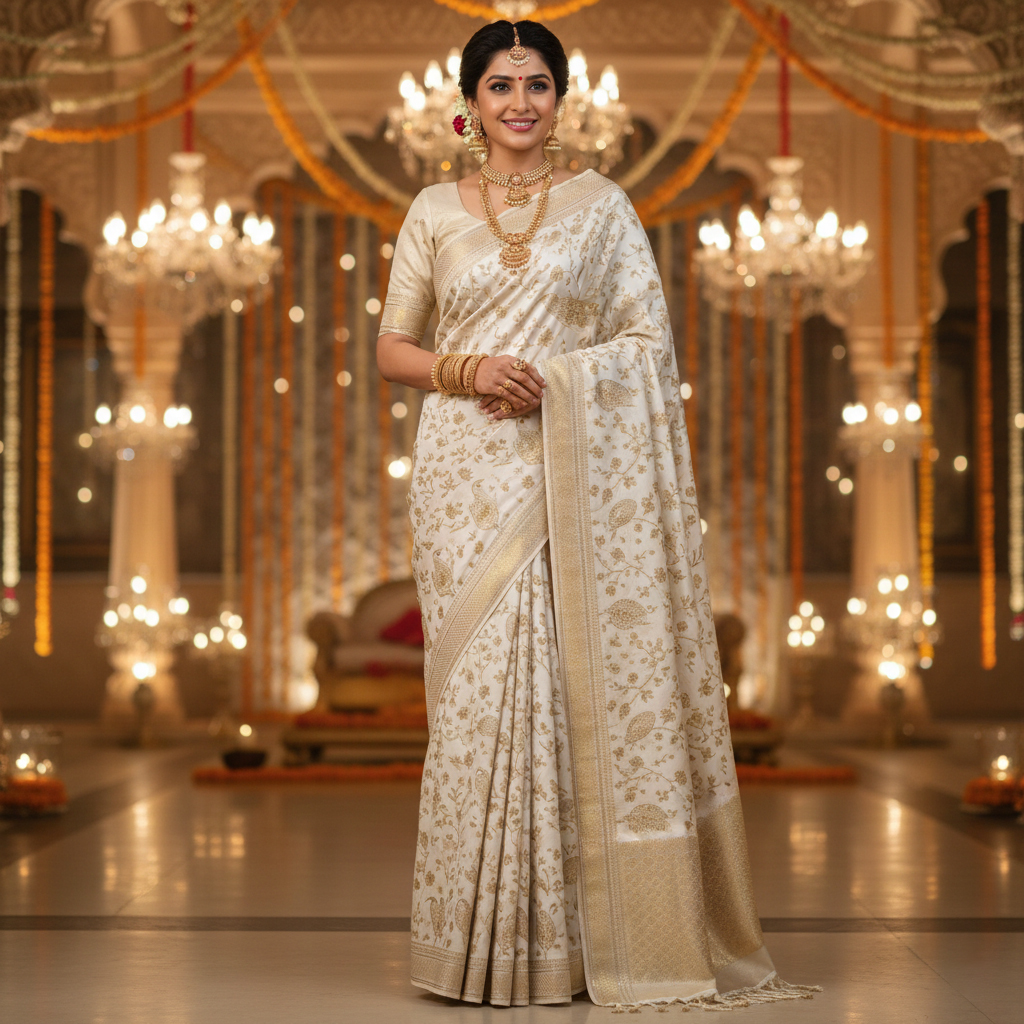
Silk remains a classic choice for weddings across India, and its relevance only increases during winter. Fabrics like Banarasi silk, raw silk, tussar silk, and silk blends offer both structure and warmth.
Why silk is ideal:
-
Holds shape well in colder weather
-
Adds richness without heaviness
-
Suitable for sarees, lehengas, and sherwanis
Silk works beautifully for daytime and evening ceremonies, making it a versatile winter wedding fabric.
Brocade – Structured, Festive & Winter-Ready
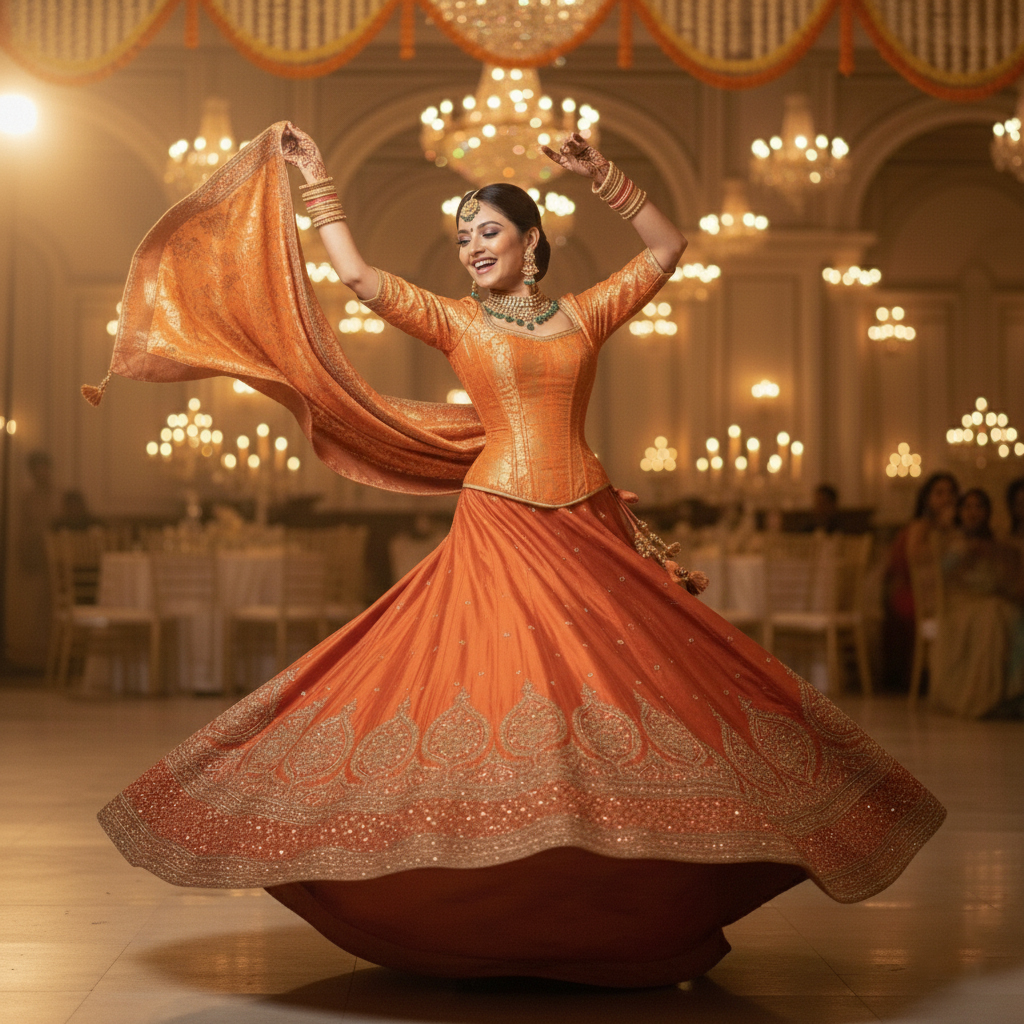
Brocade fabrics are known for their dense weave and ornate patterns, making them naturally suitable for winter wear. Often woven with zari or metallic threads, brocade is commonly used for bridal lehengas, blouses, jackets, and groom attire.
Why brocade stands out:
-
Thicker weave provides warmth
-
Excellent base for heavy embroidery
-
Creates a regal, traditional look
Brocade is especially popular for North Indian winter weddings.
Tissue Fabric – Lightweight Warmth with Festive Glow
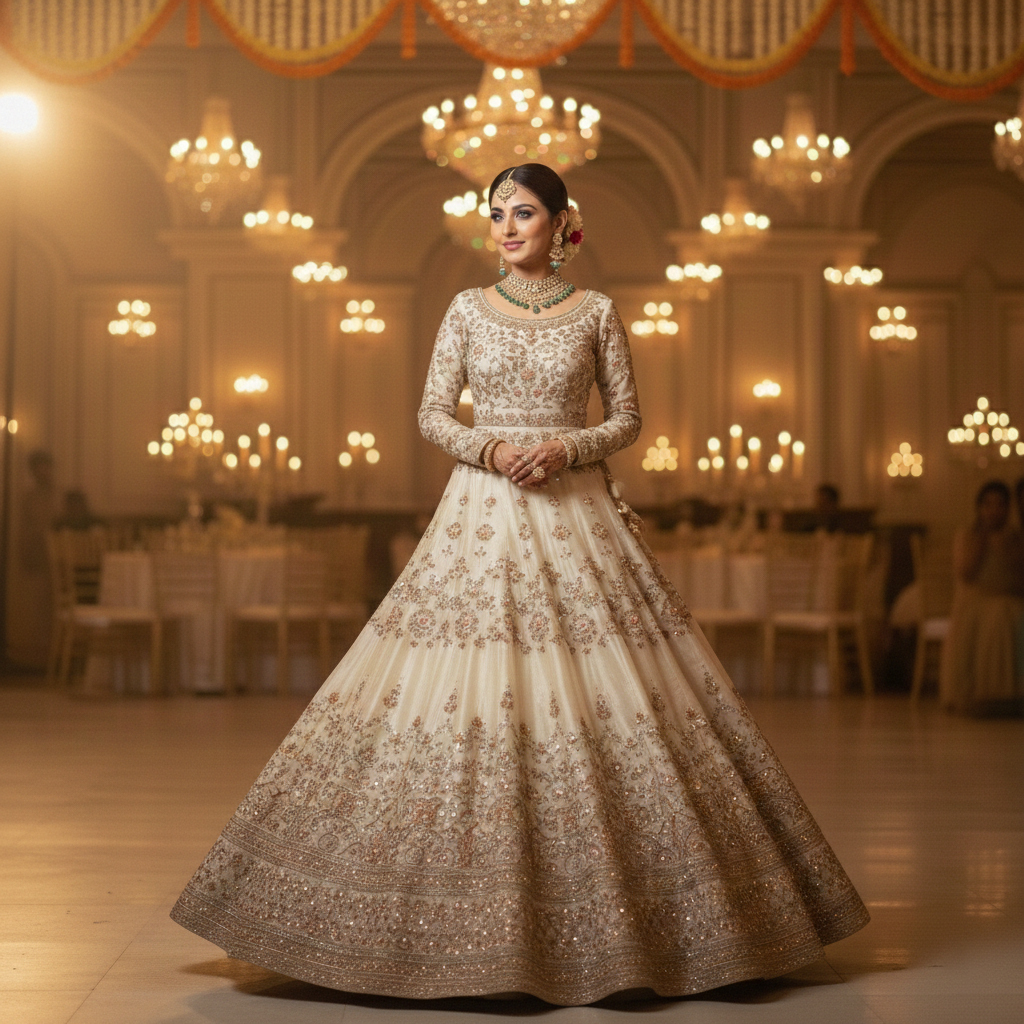
Tissue fabric has emerged as a modern winter wedding favorite. While lightweight, its metallic sheen and layered structure make it suitable for winter styling when paired correctly.
Why tissue works:
-
Festive shine without heaviness
-
Ideal for sarees, dupattas, and draped silhouettes
-
Can be layered easily for colder evenings
Tissue fabrics are a great option for guests who want elegance without bulk.
Wool Blends & Pashmina Touches
For extremely cold regions or outdoor winter weddings, wool-blended fabrics and pashmina elements add both comfort and sophistication. These are often used in shawls, stoles, jackets, and overlays rather than full outfits.
Why blends help:
-
Retain warmth in colder climates
-
Pair well with silk and velvet
-
Practical for night functions
Final Thoughts
Winter weddings in India allow for richer fabrics, deeper textures, and more layered styling. Choosing the right fabric—whether velvet for luxury, silk for timeless appeal, brocade for tradition, or tissue for modern elegance—ensures your outfit looks stunning while keeping you comfortable throughout the celebrations.
When fabric aligns with season and function, winter wedding fashion becomes effortless, elegant, and unforgettable.
Leave a Comment

Fabcouture is an online fabric store to satisfy all your couture fabrics cravings for fabric connoisseurs. We delight in the fact that we source...
0 Comment