Leather Sofa vs Fabric Sofa: Which Is Better?
- By Fabcouture
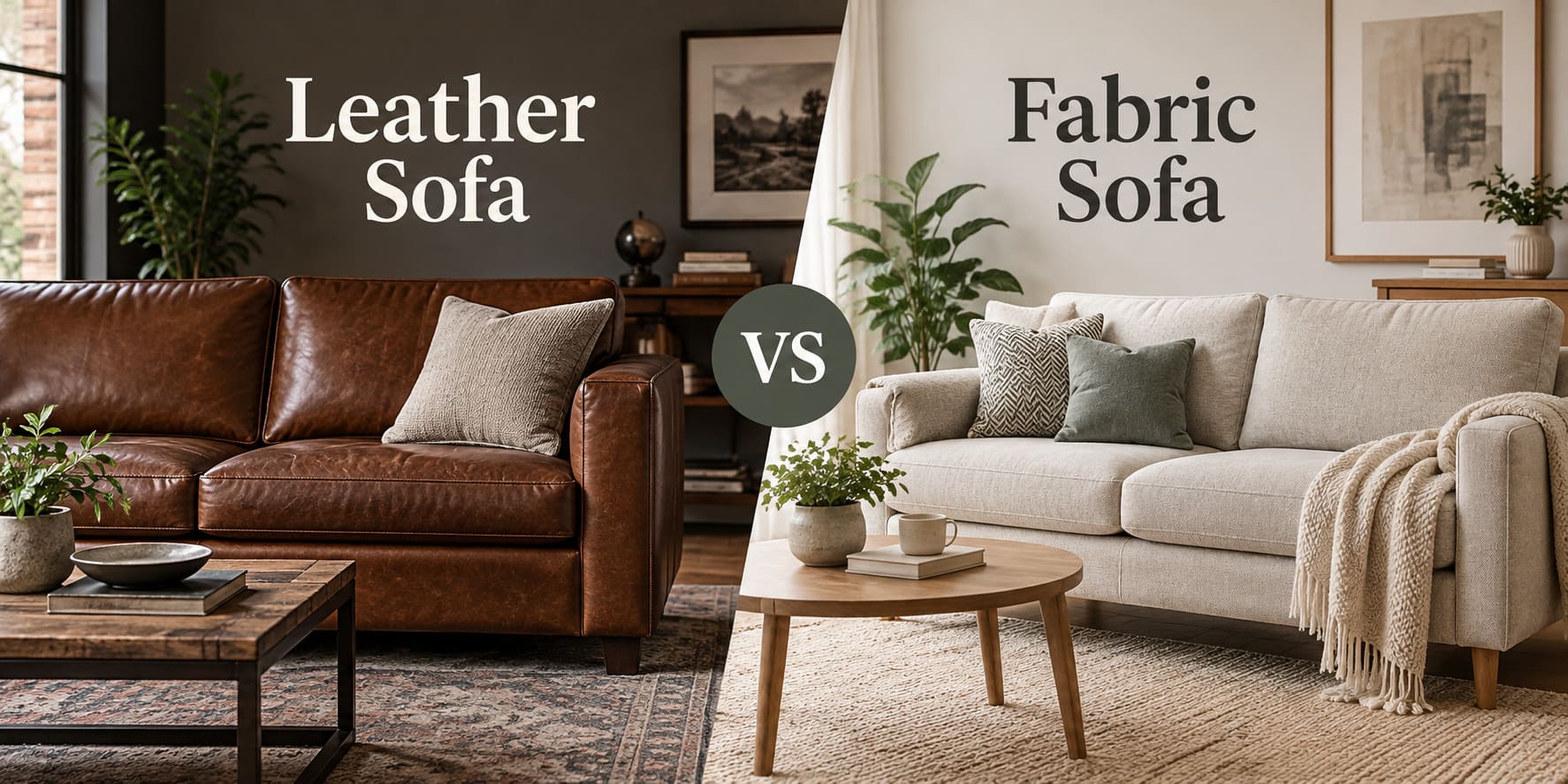
The sofa is the centrepiece of every Indian living room. It sees everything — chai spills, summer afternoons, joint-family gatherings, and binge-watching sessions that stretch well past midnight. So when it is time to buy one, the leather vs fabric debate is genuinely worth thinking through, because both choices feel different, age differently, and work very differently in the realities of Indian homes. This guide breaks it down honestly so you can choose the one that actually suits your household, not just the one that looks best in a showroom.
Quick Answer
Leather sofas are more durable, easier to wipe clean, and look premium — but they get warm and sticky in India's heat and cost significantly more. Fabric sofas are cooler, softer, more customisable, and far better suited to Indian climates and budgets. If you have children, pets, or live in a warm city without year-round air conditioning, fabric is almost always the more practical choice for an Indian home.
What Is a Leather Sofa?
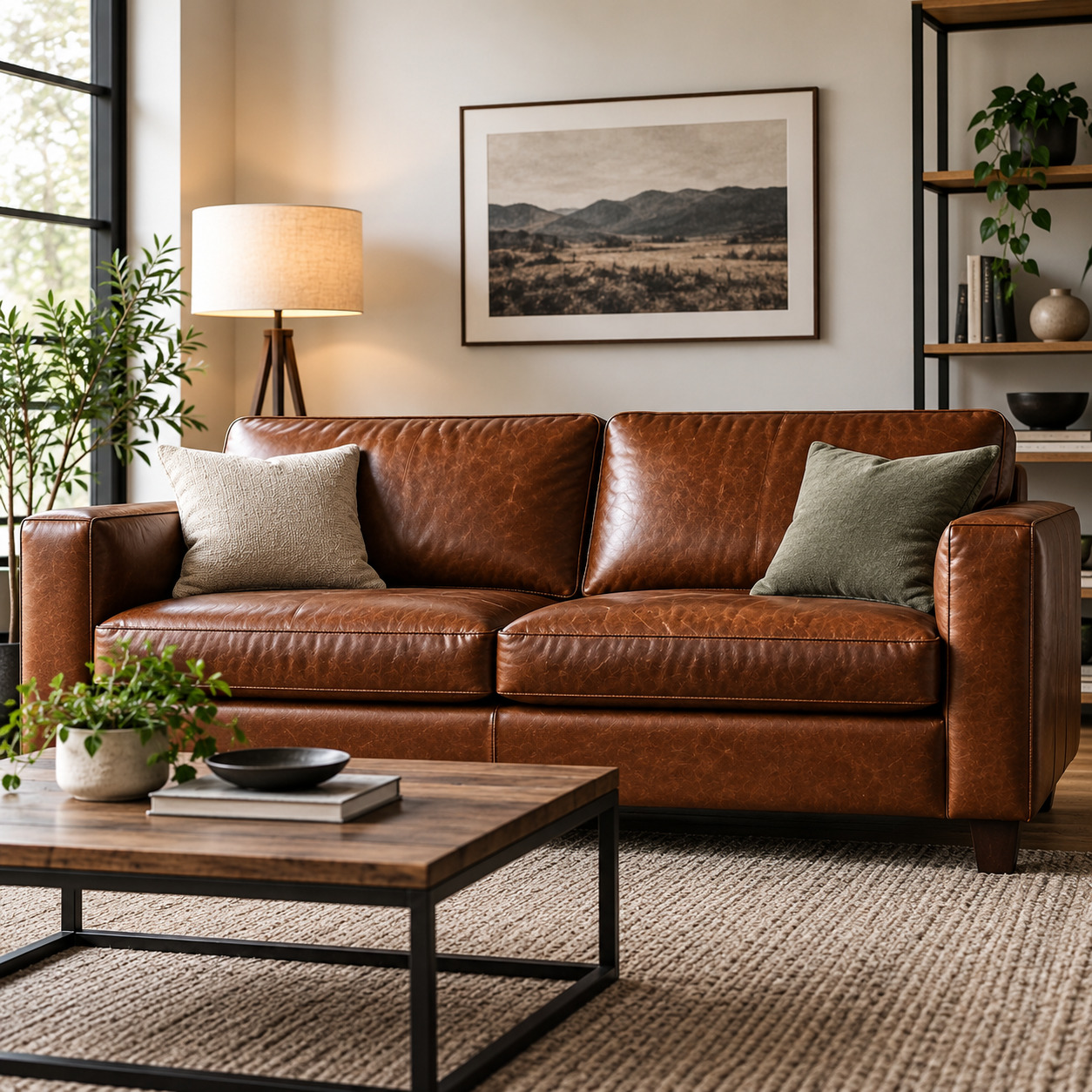
A leather sofa is upholstered in genuine or synthetic leather — a smooth, non-porous surface that gives a sleek, premium look. Full-grain and top-grain leather are the most durable natural options, while PU (polyurethane) or bonded leather offer a similar appearance at a lower price point. Leather has a long history in luxury interiors, and a well-maintained piece can last decades. It wipes clean easily, does not absorb odours readily, and develops a patina with age that many people find appealing.
What Is a Fabric Sofa?
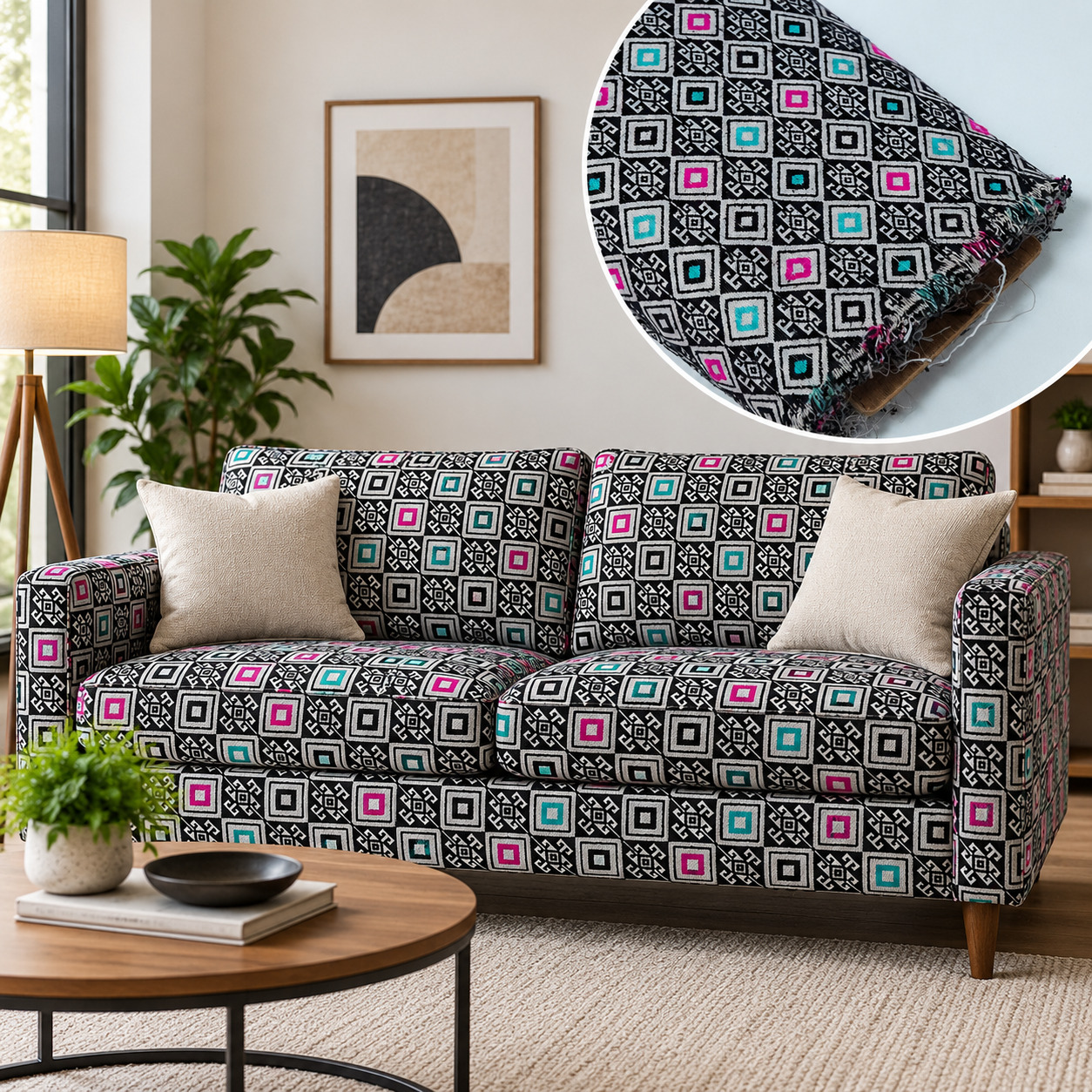
A fabric sofa is upholstered in a woven textile — cotton, linen, velvet, microfibre, or, for structured and patterned looks, a multipurpose jacquard. Fabric sofas come in an enormous variety of colours, textures, and patterns, making them far more versatile for Indian living rooms where décor leans traditional, eclectic, or colourful. They feel softer and warmer to the touch, do not heat up the way leather does, and are generally more affordable — though the ease of maintenance depends heavily on the fabric type chosen.
Leather Sofa vs Fabric Sofa: The Full Comparison
1. Comfort in the Indian Climate
This is where the Indian context makes a very real difference. Leather absorbs and retains heat — in cities like Mumbai, Chennai, Delhi, or Hyderabad, where temperatures regularly climb above 35°C, a leather sofa without year-round air conditioning quickly becomes uncomfortable. It feels warm and sticky against bare skin in summer, and although it cools in winter, most Indian homes are warm far more months than they are cold. Fabric sofas are breathable and do not trap heat against the body, making them the more comfortable choice for the majority of India's climate zones throughout most of the year.
2. Durability and Longevity
Full-grain leather, when well maintained, outlasts most fabric upholstery — a quality leather sofa can genuinely last 15 to 20 years. However, direct sunlight, which is abundant in Indian homes, dries and fades leather over time. Keep it out of west-facing rooms or spots with heavy afternoon sun. Fabric durability varies significantly by weave — loosely woven fabrics pill and wear faster, while tightly woven options like jacquard hold up well in high-traffic family rooms. PU leather, often sold as "leatherette," tends to peel and crack after a few years and should not be compared to genuine leather on durability.
3. Maintenance and Cleaning
Leather wins on daily cleaning ease — a spill wipes off with a damp cloth in seconds, and it does not absorb pet hair or dust the way fabric does. It does need conditioning once or twice a year to prevent cracking. Fabric requires more active maintenance — regular vacuuming, prompt stain treatment, and occasional deep cleaning. However, fabric with removable, washable covers makes day-to-day spills manageable, and some performance fabrics are treated for stain resistance. For households with young children or pets, a tightly woven, washable fabric cover is often easier to live with than conditioning leather.
4. Style, Colour, and Customisation
Leather sofas come in a relatively limited colour range — blacks, browns, tans, and greys dominate. Fabric sofas offer a near-unlimited range of colours, patterns, and textures. For Indian living rooms — which often feature warm wall tones, traditional artwork, and colourful accents — a fabric sofa is far easier to style. Woven fabrics like multipurpose jacquard are particularly popular for upholstery because of their intricate patterns, structural weave, and durability — they add visual richness to a living room without looking busy.
5. Price
Genuine leather sofas sit at the premium end of the market. Quality fabric sofas cover a much wider price range — from budget-friendly options to high-end performance fabrics and bespoke upholstery. For Indian households buying their first sofa or furnishing a rental home, fabric almost always gives more value for money, and a good fabric sofa reupholstered with quality jacquard or performance fabric can look completely new for a fraction of the cost of a new leather sofa.
6. Allergies and Pet Hair
Leather is hypoallergenic — it does not trap dust mites, pet dander, or allergens the way fabric does. If anyone in the household has dust allergies or asthma, leather is genuinely easier to keep allergen-free. On the flip side, pet claws can scratch leather permanently, while most fabric sofas absorb scratches invisibly. For homes with dogs, fabric wins; for allergy sufferers without pets, leather has a genuine advantage.
Side-by-Side Comparison
| Leather Sofa | Fabric Sofa | |
|---|---|---|
| Indian climate | Gets warm & sticky in heat; needs AC | Breathable; comfortable year-round |
| Durability | 15–20 years (genuine); fades in sun | 5–15 years depending on weave |
| Cleaning | Easy wipe-clean; needs conditioning | More upkeep; removable covers help |
| Style options | Limited colours; classic/modern look | Endless colours, patterns & textures |
| Price | Premium; genuine leather is expensive | Wide range; suits most budgets |
| Pets | Scratches easily from claws | Better for pet owners |
| Allergies | Hypoallergenic; no dust trapping | Can trap dust mites; needs vacuuming |
| Best for | Formal rooms, AC homes, allergy sufferers | Families, warm climates, Indian décor |
Which Is Better for Indian Homes?
For most Indian households, a fabric sofa wins on almost every practical count. India's climate is warm for the majority of the year — and even in colder cities like Delhi, a leather sofa in a non-air-conditioned room is uncomfortable through April to September. Fabric sofas breathe, come in colours and patterns that suit the warmth and character of Indian interiors, and handle the realities of joint families, children, and everyday spills more forgivingly.
Leather makes sense if you have central air conditioning, a formal drawing room that sees limited daily use, or strong dust-allergy concerns. If your sofa will live in a family room, have children or pets around it, or sit in a naturally ventilated home, fabric is almost always the more comfortable, practical, and cost-effective choice for Indian conditions.
What Fabric Is Best for Sofa Upholstery?
Not all fabric sofas are equal — the quality and durability of a fabric sofa depends heavily on the upholstery chosen. The best fabrics for Indian sofa upholstery combine durability, easy cleaning, and visual richness:
- Jacquard — a tightly woven, patterned fabric with built-in visual depth, excellent durability, and a refined look that works beautifully in both traditional and contemporary Indian living rooms. Multipurpose jacquard is particularly suited to upholstery because of its structural weave and wear resistance.
- Velvet — plush, luxurious, and rich in colour; great for statement sofas in formal spaces, though it needs regular brushing to maintain the pile.
- Microfibre — soft, stain-resistant, and easy to clean; a practical choice for busy family rooms.
- Cotton & cotton blends — breathable and comfortable, with a natural, relaxed feel; best suited to casual and everyday living rooms.
- Linen — airy and textured with a refined look; cooler in summer but more prone to wrinkling.
For Indian homes that want both durability and a premium look without leather's price tag, a jacquard-upholstered fabric sofa is one of the smartest choices — it handles everyday use well, looks richer over time rather than worn, and is far more forgiving in warm climates.
Frequently Asked Questions
Which is better — leather sofa or fabric sofa?
For most Indian homes, a fabric sofa is the better practical choice — it is more comfortable in warm climates, comes in more colours and patterns, suits Indian décor better, and is more budget-friendly. Leather suits formal, air-conditioned spaces and is better for allergy sufferers without pets.
Which sofa is easier to clean — leather or fabric?
Leather is easier to wipe clean day to day — spills lift off with a damp cloth. Fabric requires more regular vacuuming and spot cleaning, but fabric sofas with removable, washable covers are easy to maintain for families with children or pets.
Do fabric sofas last as long as leather sofas?
Genuine leather sofas typically outlast fabric if well maintained, lasting 15 to 20 years. Quality fabric sofas with tightly woven upholstery — like jacquard — can last 10 to 15 years with proper care. Loosely woven or delicate fabrics wear faster in high-traffic family rooms.
Is a leather sofa good for Indian summers?
Not without air conditioning. Leather absorbs and holds heat, making it warm and uncomfortable to sit on during India's summer months without AC. Fabric sofas are far more comfortable in India's warm, humid climate for the majority of the year.
Which fabric is best for sofa upholstery in India?
Jacquard is one of the best sofa upholstery fabrics for Indian homes — tightly woven, durable, visually rich, and available in patterns that complement traditional and contemporary interiors. Microfibre and velvet are also popular choices depending on the room's style and use.
Can fabric sofas be reupholstered?
Yes — one of the biggest advantages of fabric sofas is that they can be reupholstered when the fabric wears or you want a new look, often at a fraction of the cost of buying a new sofa. Choosing a quality upholstery fabric like jacquard ensures the new cover lasts years.
Leave a Comment

Fabcouture is an online fabric store to satisfy all your couture fabrics cravings for fabric connoisseurs. We delight in the fact that we source...
0 Comment